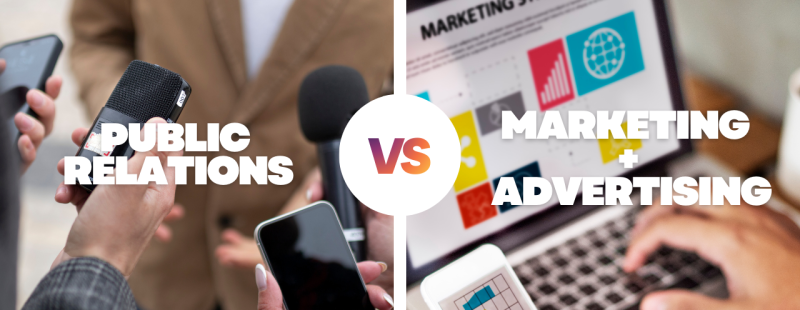
Understanding the difference between PR vs. marketing and advertising has never been more important. In an era where trust is fragile, attention spans are short, and AI often shapes first impressions, organizations must be intentional about how they communicate. Choosing the right mix of strategy, storytelling, and promotion can determine whether a brand earns credibility or simply adds to the noise.
For many organizations, confusion around these disciplines leads to misaligned investments. They spend money on ads before clarifying their message or expect public relations to solve problems that actually stem from unclear positioning. The result is frustration, wasted resources, and missed opportunities.
To make smarter decisions, it helps to understand how these functions differ, how they work together, and why choosing the right approach matters more than ever in 2026.
How Public Relations, Marketing, and Advertising Differ
Public relations is fundamentally about credibility. It focuses on shaping perception, building trust and managing relationships (media relations) with audiences that matter most, including media, stakeholders, partners, and the public. Effective PR earns attention rather than buying it, and it plays a critical role in reputation management, thought leadership, and crisis response.
Marketing, on the other hand, is focused on creating demand and guiding audiences through a journey. It encompasses messaging, branding, campaigns, lead generation, and customer experience. Marketing connects products or services to the people who need them and supports long-term growth.
Advertising is the most transactional of the three. It involves paying for visibility through channels such as search, social media, streaming platforms, and traditional commercials. Advertising can be extremely effective, but it performs best when the message behind it is already clear and credible.
The strongest organizations understand that these disciplines work best together. Public relations builds trust. Marketing creates engagement. Advertising accelerates reach. When aligned, they reinforce one another rather than compete for attention.
Why This Distinction Matters More in 2026
The modern communication environment is crowded, fast-moving, and increasingly shaped by algorithms and artificial intelligence. Audiences now encounter brands through search results, social feeds, AI summaries, and digital media long before they ever speak to a salesperson or read a full article.
In this environment, credibility matters more than volume. Organizations that rely solely on advertising without a strong PR foundation often struggle to gain trust. At the same time, strong PR without strategic marketing can limit reach and growth.
This is why understanding the role of each discipline is critical. PR establishes authority and trust. Marketing builds awareness and demand. Advertising amplifies the message at scale. When these elements are aligned, organizations create momentum instead of noise.
Why PR Is Often the Missing Piece
Many organizations invest heavily in marketing tools but overlook the strategic value of public relations. PR is not just about press releases or media mentions. It is about shaping perception over time, managing reputation, and ensuring that when people search for your organization, what they find reflects who you truly are.
In an age where AI tools summarize brands in seconds, PR plays a key role in influencing what those systems surface. Strong media coverage, authoritative content, and consistent messaging help ensure that automated summaries are accurate and favorable.
This is why PR often becomes the foundation that supports marketing and advertising efforts. Without it, even the most creative campaigns can struggle to gain traction or credibility.
How the Best PR Agencies Add Value
The best PR agencies do not simply execute tasks. They act as strategic partners who help organizations think critically about their positioning, messaging, and long-term reputation.
A strong PR agency will help you clarify your story, identify opportunities for visibility, and prepare for moments that matter. It will also help you navigate challenges, manage risk, and communicate with confidence during times of uncertainty.
At Chemistry PR & Multimedia, the focus is on helping organizations build clarity first. Through message mapping, media strategy, and integrated communications planning, the goal is to create a strong foundation before tactics are deployed. This approach ensures that every press mention, interview, or campaign reinforces a consistent and credible narrative.
Choosing the Right Approach for Your Organization
There is no one-size-fits-all solution. Some organizations need immediate visibility. Others need reputation repair or long-term positioning. The most successful strategies start with an honest assessment of goals, audiences, and challenges.
Understanding the difference between PR, marketing, and advertising allows leaders to make smarter decisions about where to invest and how to measure success. It also helps organizations avoid common mistakes, such as spending heavily on promotion before clarifying their message or relying on advertising to solve trust issues.
For those who cook, this is like a good recipe. When followed and aligned properly, things come out wonderfully. Leave out something important and you may not like the taste.
The Bottom Line
The difference between PR, marketing, and advertising is not just academic. It has real implications for how organizations are perceived, trusted, and remembered. In today’s crowded and fast-moving environment, clarity is a competitive advantage.
Organizations that invest in thoughtful public relations, supported by strong marketing and strategic advertising, position themselves to communicate with purpose and authority. That is how reputations are built, protected, and sustained.
For organizations looking to grow, influence, and lead, understanding this distinction is not optional. It is essential.