A logo is more than a mark. It’s a symbol of trust, nostalgia, and cultural belonging. In an era where attention spans are short, but social media outrage can last for weeks, the stakes of a rebrand couldn’t be higher. A strong redesign can signal progress and innovation; a bad one can alienate loyal customers, invite public ridicule, and even crash a stock price overnight.
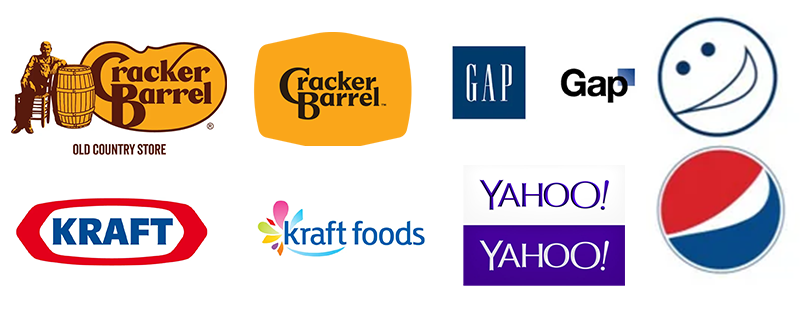
Cracker Barrel’s recent logo redesign failure demonstrates the danger of skipping a solid brand strategy. By removing its iconic imagery and replacing it with a minimalist text-only design, the brand not only confused long-time fans but also sparked cultural backlash. Within hours, shares tumbled, erasing nearly $100 million in market value. It was a sharp reminder that while businesses must evolve, they must also respect the identity that made them beloved in the first place.
The Market Reacted – Fast and Brutally
On August 21, 2025, Cracker Barrel unveiled its simplified logo. Instead of inspiring confidence, it created confusion and sparked criticism across the political and cultural spectrum:
- Stock plunged 7–12% in one day, with nearly $94 million in value lost.
- Critics accused the company of being “out of touch,” while online backlash turned the redesign into a meme-fueled firestorm.
- What should have been a fresh look instead felt like erasing part of America’s cultural memory.
Cracker Barrel Is Not Alone: Famous Logo Fails
Cracker Barrel joins a long list of companies that learned the hard way: design without strategy is dangerous.
- Pepsi (2008) – Spent over $1 million on a redesigned logo that critics compared to a “smiley face with a gut.” While not a financial disaster, it became a punchline.
- Tropicana (2009) – Redesigned its packaging so drastically that customers couldn’t find the product on shelves. Sales dropped 20% in just two months. That’s a $30 million mistake.
- Kraft (2009) – Dropped its classic, familiar shield logo in favor of a confusing, multi-colored burst. Within a year, the company quietly went back to a more traditional design.
- Gap (2010) – Attempted to modernize its decades-old blue box logo. The new mark lasted only six days after massive consumer backlash.
- Yahoo (2013) – Tried to “refresh” its wordmark with a quirky redesign. Consumers didn’t hate it. They just didn’t care. It signaled a lack of clear identity during a critical time for the brand.
The Business Impact of a Failed Rebrand
When a rebrand goes wrong, the fallout doesn’t stop with angry tweets or stock volatility. It can ripple across every layer of a business:
- Investor Panic – Market value evaporates as shareholders lose confidence, often leading to long-term valuation issues.
- Consumer Distrust – Long-time customers may feel alienated, perceiving the brand as abandoning its roots.
- Cultural Backlash – In polarized times, even design choices are politicized, sparking boycotts or online movements.
- Employee Morale – Teams who proudly represented a heritage logo may feel disoriented, or worse, embarrassed.
- Leadership Pressure – Perhaps the most serious consequence are calls for accountability at the executive level.
That’s exactly what’s happening now at Cracker Barrel. Reports reveal that CEO Julie Masino is under mounting pressure to resign following the disastrous rollout. Critics have branded the move “delusional” and “woke,” amplifying the perception of mismanagement at the highest level.
A logo change that may have started as a design refresh has snowballed into a crisis of leadership, proving just how intertwined branding, culture, and corporate governance truly are.
Why Logo Redesigns Fail: Common Branding Mistakes
- Erasing Nostalgia
A logo tied to generations of customers can’t be tossed aside for the sake of trendiness. Consumers want progress, but not at the cost of identity. - Ignoring Cultural Context
In today’s polarized environment, even a typeface can spark accusations of being “too woke” or “too corporate.” Successful brands read the cultural room before making bold moves. - Underestimating Emotional Equity
Brands are relationships. Just as people don’t abandon family traditions overnight, neither do customers detach from decades of brand recognition without resistance. - Failing to Communicate the “Why”
When a redesign is rolled out without explaining the strategy behind it, consumers assume it’s cosmetic — or worse, careless.
The Chemistry PR Takeaway: Avoid a Rebrand Meltdown
- Respect Your Brand DNA
Honoring your heritage doesn’t mean being stuck in the past. Smart rebrands balance tradition with innovation. - Research Beyond Focus Groups
Today’s decisions are made in a world where a Twitter thread or TikTok can tank a campaign. Test beyond the boardroom. - Anticipate the Politics of Perception
Design is never neutral. What feels “fresh” to one audience can look “political” to another. The goal is inclusivity and authenticity — not alienation. - Have a Response Plan
If backlash comes, speed and transparency matter. Silence lets critics define the story. - Connect Visuals to Experience
Logo changes should tie into a broader story: updated values, customer experience improvements, or a bigger vision for the future.
The Cracker Barrel logo debacle is just the latest reminder that branding decisions aren’t superficial — they’re existential. From Gap to Tropicana, history is filled with examples of companies who gambled on a redesign and lost millions in the process. Now, we’re seeing how far-reaching the consequences can be — with leadership itself under fire.
At Chemistry PR & Multimedia, we believe branding is both an art and a responsibility. It’s not just about looking sleek — it’s about honoring your history, understanding your audience, and positioning yourself for the future. Done right, a logo is a bridge between generations. Done wrong, it’s a wedge that fractures loyalty and erodes trust.
A redesign can make your company stronger, bolder, and more relevant. But without strategy, empathy, and foresight, it can cost you far more than the design fee — it can cost you millions, and even your leadership.
Good Chemistry. Great Storytelling. That’s how we ensure your brand evolves without losing its soul.